

Towards a Carbon-Free Future through Science-Backed Analyses and Partnerships

Our Story
This is the space to introduce visitors to the business or brand. Briefly explain who's behind it, what it does and what makes it unique. Share its core values and what this site has to offer.

THE ROLE OF NEWBUILDS IN CARBON EMISSION
100,570
tons of CO2 emitted when a Vintage Panamax is recycled and a replaced Newbuild is operated for 2 years
3,528
Newbuild orders in 2024
New ships are often designed with the latest technologies and standards, making them more fuel-efficient and less polluting. However, the construction of new ships is a carbon-intensive process. Producing steel, the primary material in shipbuilding, emits significant CO2, and the shipbuilding process itself consumes substantial energy and resources. While newbuilds are essential for modernizing the fleet, their environmental impact during construction cannot be ignored.

To bring true maritime sustainability through science-backed life cycle analyses.
Our Vision
To pioneer sustainable shipping by validating sustainability hypotheses with scientific life cycle assessments and partnering with Industry stakeholders to enact actionable insights.
Our Mission
CARBON360
Our Strategic approaches make us different
While Carbon360 indulges in finding scientific evidence to answer frequently thought-of questions in the maritime industry, our research is guided by principles based on these strategic methods:
Conducting comprehensive lifecycle assessments to provide a holistic view of a ship’s environmental impact, from raw material extraction for construction to its final stages in recycling. This approach ensures that all stages of a ship’s life are optimized for carbon emissions, allowing for purposeful interventions.
Lifecycle Assessment
Analysing different types of ships to understand how various efficiency levers—such as fuel types, hull design, and operational practices—affect carbon emissions and identifying the optimum combinations for each vessel category.
Efficiency
Levers
Working closely with regulatory bodies, industry stakeholders, and policymakers to advocate for science-based regulations and incentives that promote decarbonization efforts. Their goal is to create a supportive framework that facilitates the adoption of sustainable practices across the industry.
Policy and Advocacy
CARBON360
Our Services
Our Services
CARBON360
A Glimpse into Our Approach
An example of how focussing on Lifecycle Assessment can be beneficial to the Sector –
Shipbuilding, Operations, and Recycling are the 3 distinct phases of a ship’s life. The carbon emissions that stem from all the above stages together constitute the Lifecycle emissions of a ship. While the sector increasingly focuses on setting targets that reduce the emissions from the Operations stage, we divert our attention to the forces that dictate the movement between stages – a phase that is crucial in circular economy practices and sustainability.

This phase transitions a vessel from Stage 2 Operations to Stage 3 Recycling. The economics of ship recycling is influenced by factors such as freight rates, steel scrap prices, and aging fleet maintenance costs. We aim to make a change to a shipowner's perspective, focusing instead on circular economy practices over prioritizing economic value, to ensure efficient vessel operation until the end of its design life to decarbonize the sector. Understanding the importance of fully utilizing assets before recycling is crucial for shipowners. Steel production, a key material in shipbuilding, emits significant CO2 (about 2.29 tons per ton of steel). The shipbuilding process also consumes substantial energy and resources. While newbuilds are vital for modernization and emission reduction, their environmental impact during construction is considerable. Extending a vessel’s service life helps delay newbuilds, promotes innovation, and supports long-term decarbonization goals.
Carbon360’s expertise in lifecycle assessment ensures all stages of a ship’s life are optimized for carbon emissions, enabling purposeful interventions by stakeholders.
EXTENDING THE LIFESPAN OF EXISTING VESSELS
59,913
tons of CO2 emitted when a Vintage Panamax is operated for 2 more years before recycling
40.4%
lesser Lifetime CO2 emission by extending the operations of existing Vintage Panamax by 2 years
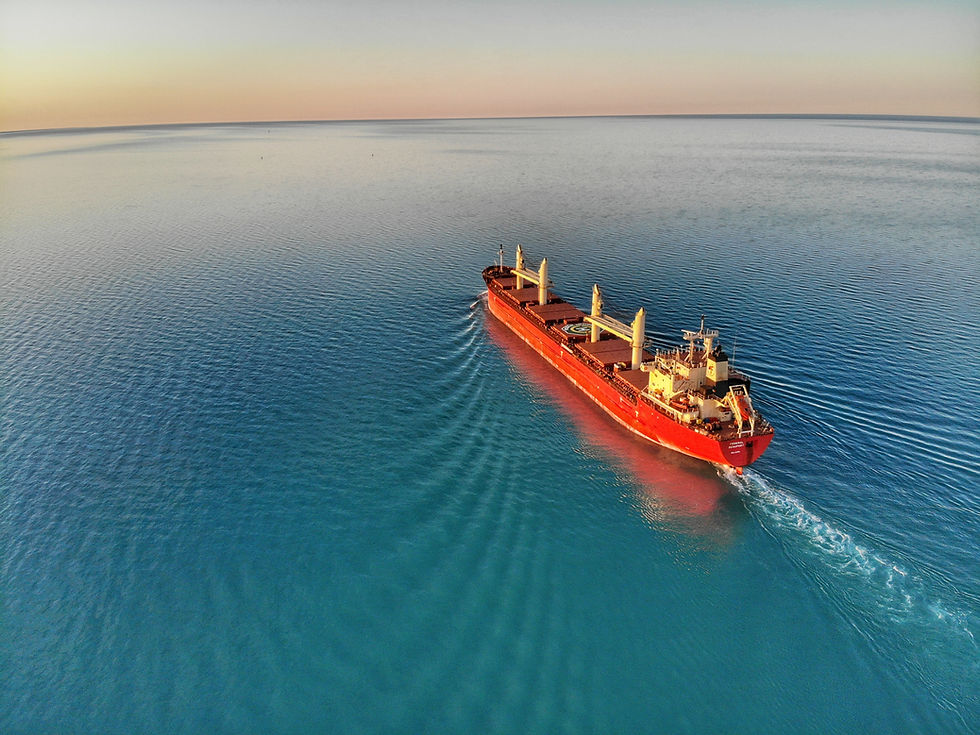
Extending the lifespan of existing ships offers a compelling alternative to constant newbuilds. By keeping ships operational longer, the maritime industry can reduce newbuild frequency, decreasing associated carbon emissions from ship construction. This approach aligns with circular economy principles, focusing on maintaining and optimizing existing assets. Extending ship life can also be a cost-effective strategy for shipowners, minimizing the need for large capital investments in new vessels while achieving decarbonization targets through retrofitting and operational improvements.


Our Story
At Carbon360, we challenge the conventional wisdom with science. Are newbuild ships truly more carbon-efficient than vintage vessels? Should shipowners continue operating their existing aging fleet or invest in newbuilds? We aim to provide science-backed answers to such crucial questions and many more.
By collaborating with esteemed educational institutions, we ensure our research is thorough and credible. Partnering with industry stakeholders allows us to translate our findings into actionable insights, driving significant progress toward the International Maritime Organization's (IMO) goal of achieving net-zero carbon emissions by 2050.
Together, we can create a sustainable future for the maritime industry. Let Carbon360 be your guide in navigating the complexities of carbon efficiency. Explore our research, join our initiatives, and be a part of the movement towards a greener, more sustainable world.